




Hidden in the hills of Kissamos, at 420 metres above sea level in the inland settlement of Tsourouniana, Potolo is the vision of founders Myrsini, Stratos, and Alexandros, a new-generation winemaking project rooted in family heritage, regenerative agriculture, and a deep connection to Crete’s land and culture.

For co-founder Myrsini, the connection to this place is deeply personal.
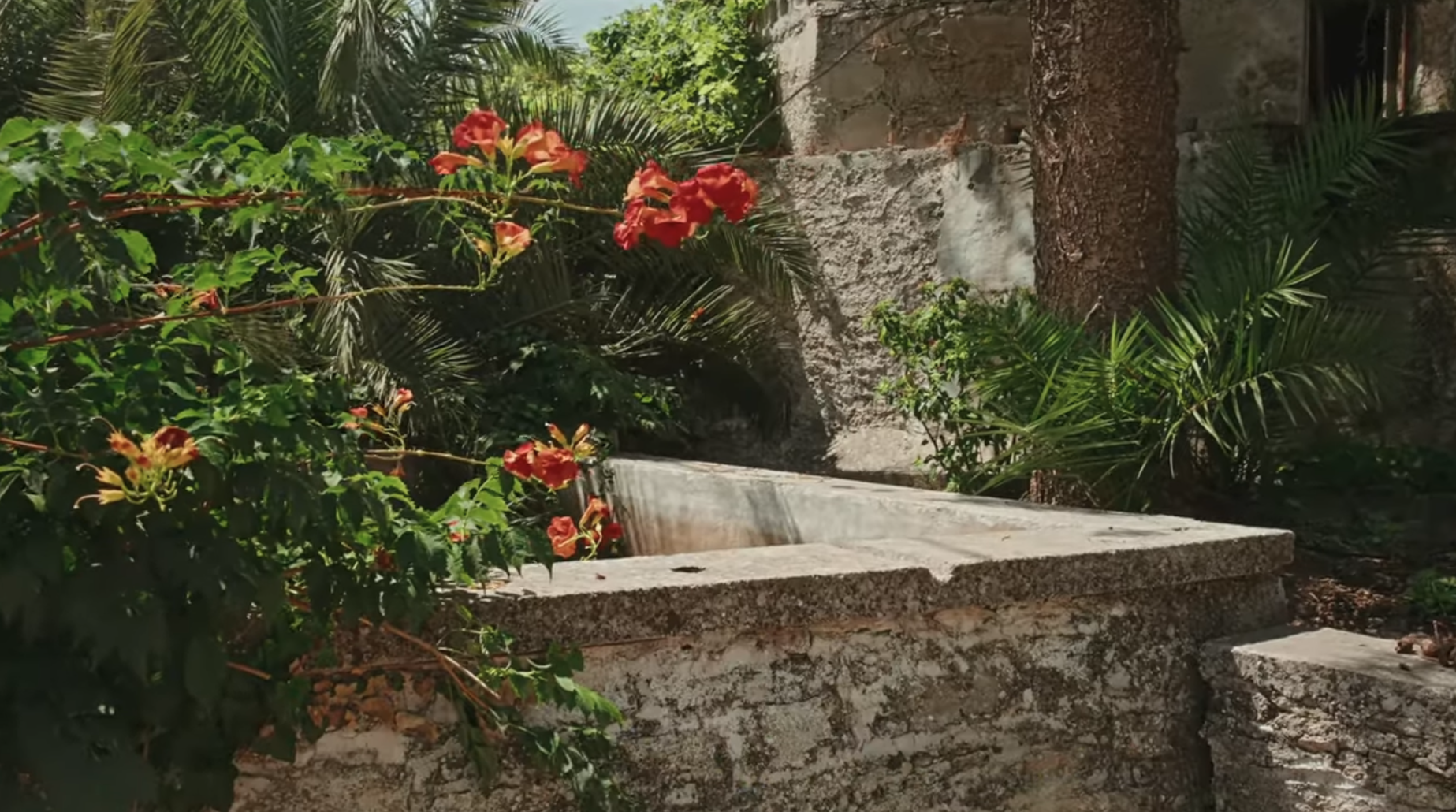
“I spent most of my summers here as a child,” she says, standing in the old family patitiri, the traditional grape press that once belonged to her grandfather.
She recalls how local growers used to bring grapes there, first by donkey, later by three-wheeled vehicles and cars, before families gathered to crush them by foot.
“This is where I took my first steps.”
That sense of continuity runs throughout the project, but Potolo is far from a nostalgic return to the past.


For the founders, the aim is to build something rooted in tradition while responding to the realities of today.
Crete’s biodiversity is central to that vision.
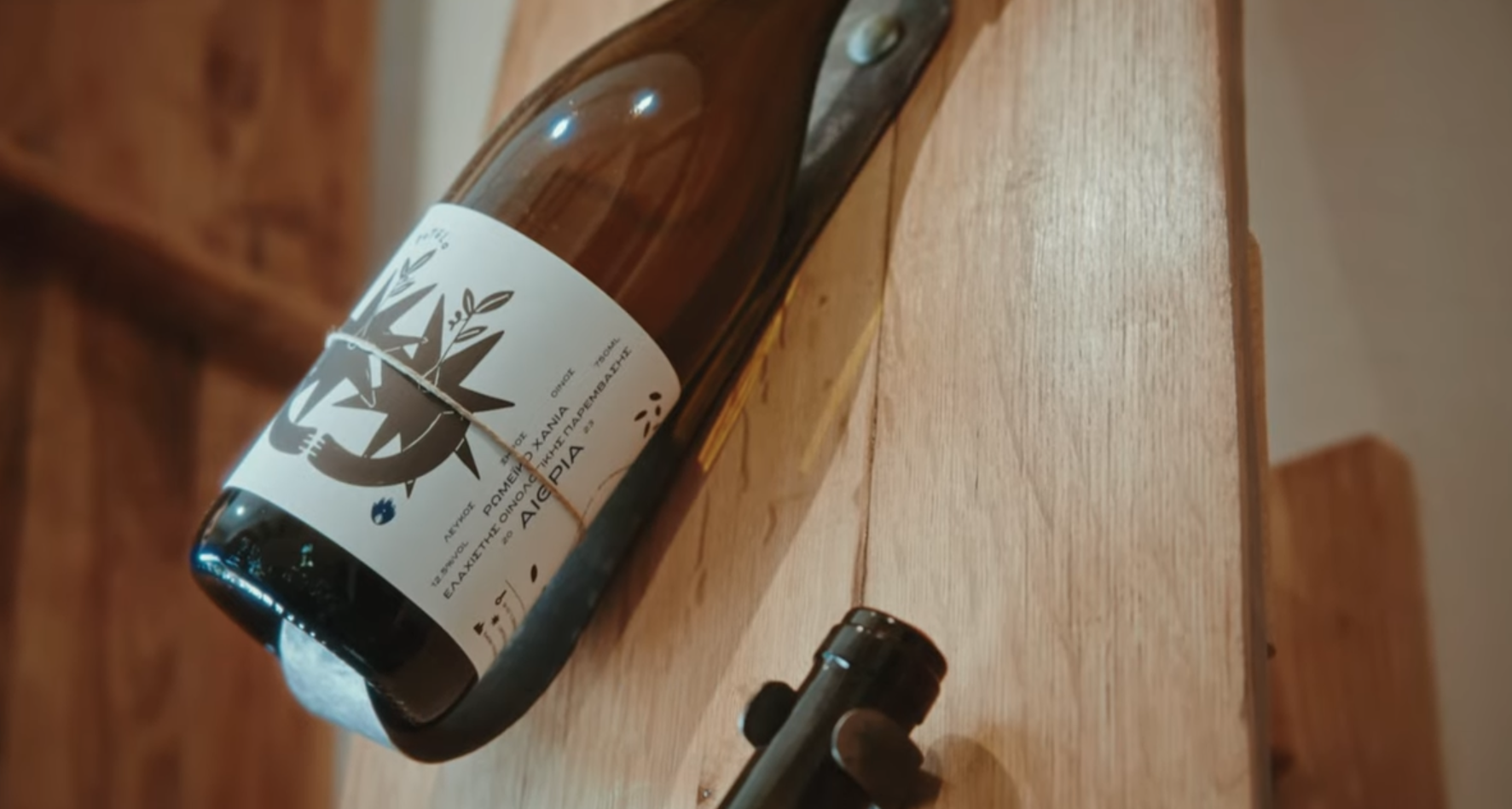
As Stratos explains, the island’s landscape is home to remarkable plant diversity, while the Chania region also nurtures indigenous grape varieties with deep historical roots, including Romeiko, one of Crete’s oldest grape varieties.
Because vines are directly shaped by environmental conditions, the concept often referred to as terroir, every harvest carries its own unique expression.
To protect and strengthen that relationship with the land, Potolo embraces regenerative growing practices.
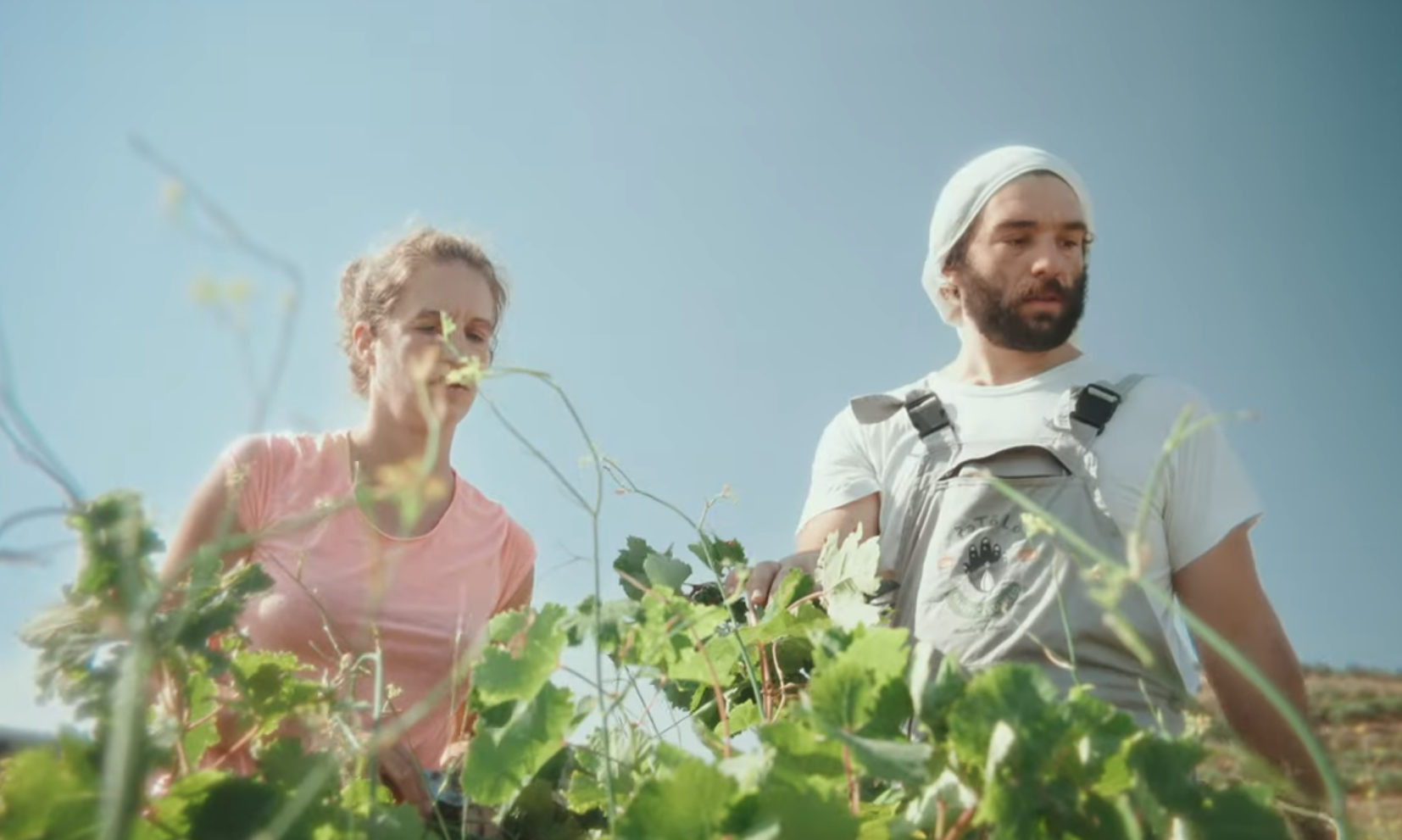
“We use techniques inspired by different philosophies and practices, including many principles of permaculture,” Stratos says.
Green fertilisation and composting are part of the approach, with the goal not only of producing quality grapes, but of restoring soil health.
“The aim is the regeneration of the soil, which ultimately gives us a better-quality, healthier product.”
But for Potolo, wine is as much about culture as agriculture.
“Wine is deeply connected to the culture of this place,” Stratos says. “And culture, because it includes both the land and the people, is part of nature itself.”


The project’s name carries its own symbolism.
As Alexandros explains, Potolo means “small seed” in the dialect of an African tribe. It is also the name of a star orbiting Sirius, the brightest star in the night sky.
For him, the symbolism is simple: small beginnings can create something extraordinary.
“Even something small can create something incredibly bright.”
That idea shapes the wider ambition behind Potolo, not simply as a winery, but as a platform to inspire others to reconnect with rural life, experiment creatively, and imagine a meaningful life beyond the city.
For Myrsini, the journey also carries emotional significance.
“It gives me peace to feel that I’m continuing my family’s story, but in a more contemporary way, responding to today’s needs.”
Potolo may be a new name in Cretan wine, but its roots run deep.






.avif)